
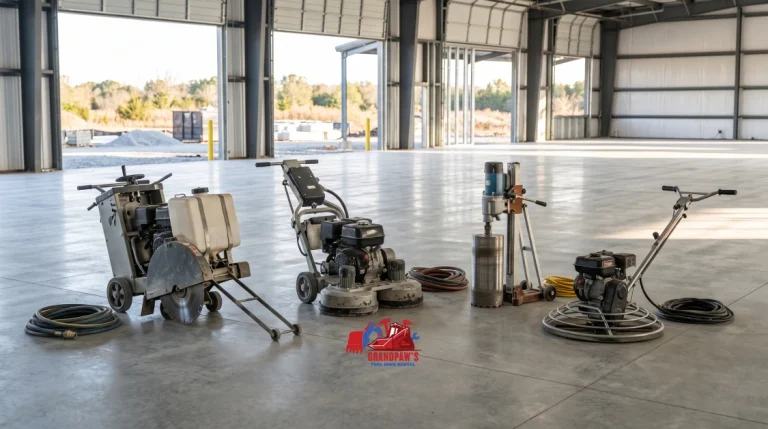
Precision slab preparation, clean utility penetrations, and a flat wear surface require commercial-grade machinery built to handle dense aggregate and tough mixes. Tackling foundation work, flatwork, or remodel jobs across North Central Texas demands reliable equipment that holds continuous torque without stalling or bogging down under load. Sourcing industrial machinery through concrete tool rentals gives general contractors, utility specialists, and residential crews direct access to high-spec tooling without the burdens of capital depreciation, diamond blade upkeep, or idle warehouse storage.
Grandpaw’s Tool Shed supplies jobsite-proven concrete machinery and specialized tooling throughout Eastland County, Abilene, Weatherford, and Breckenridge, backing every project with dependable local support.
What Concrete Core Drilling Equipment Is Best for Utility Penetrations?
Rigid diamond core drilling rigs paired with dedicated wet-coring barrels deliver the cleanest, vibration-free penetrations through cured concrete slabs, structural footings, and solid masonry. Using handheld hammer drills on structural concrete risks micro-cracking the surrounding matrix, blowing out the back edge of the hole, and creating uneven pipe runs. For mechanical, electrical, and plumbing trades installing runs through existing slabs, utilizing a specialized Hilti DD150U concrete core drill ensures true, straight holes without structural damage.
When drilling core holes larger than three inches or working across vertical stem walls, securing the power unit is vital for operator safety and bit life. Pairing the motor with a dedicated diamond core drill stand DD150U ensures rigid anchoring, controlled carriage feed, and accurate drilling depth. Crews can choose from multiple barrel diameters, including 1.5-inch, 2-inch, 2.5-inch, 3-inch, 3.5-inch, 4-inch, 4.5-inch, 5-inch, 6-inch, and 10-inch diamond bits. You can explore complete coring units, bits, and rig mounts via concrete core drill rentals to match your planned utility dimensions.
How Do You Select Between Walk-Behind and Handheld Concrete Saws?
Cutting depth, jobsite ventilation, and physical maneuverability determine whether your task calls for an electric handheld saw, a high-output gasoline cut-off tool, or a walk-behind slab saw. Choosing the wrong cutting setup wastes diamond segments, strains belts, and introduces safety hazards into the work area.
| Saw Model | Maximum Blade Capacity | Power Source | Primary Jobsite Application |
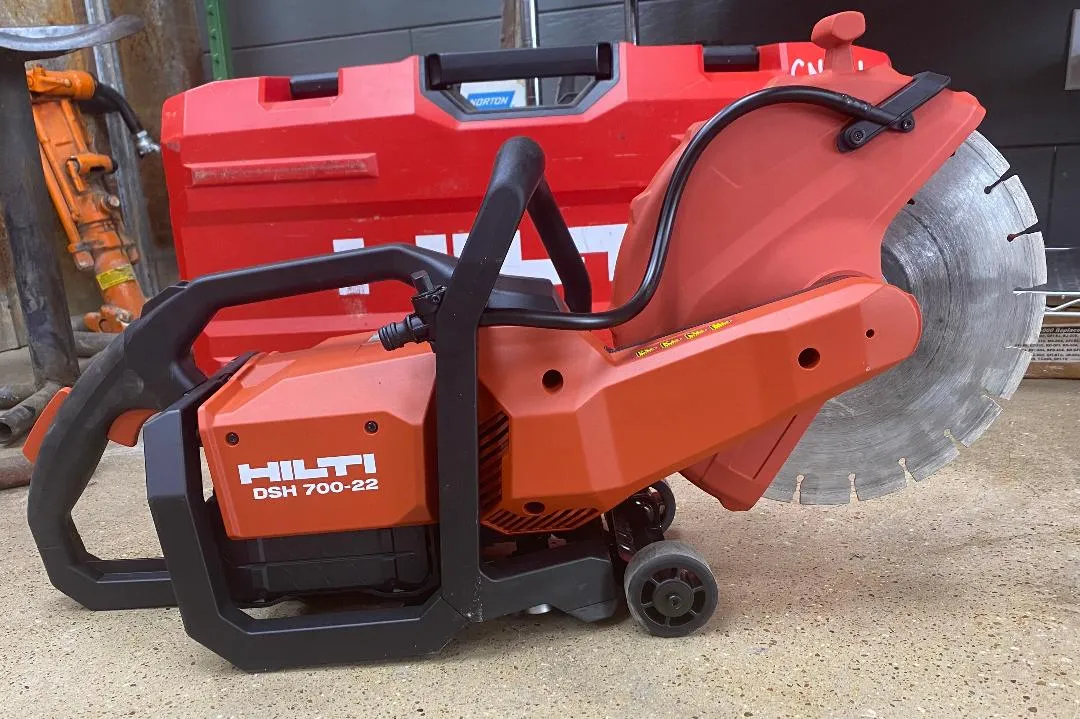
| Handheld Cut-Off Saw (Hilti) | 12″ | Cordless Battery | Enclosed rooms, tight plumbing cuts, punch-out work |
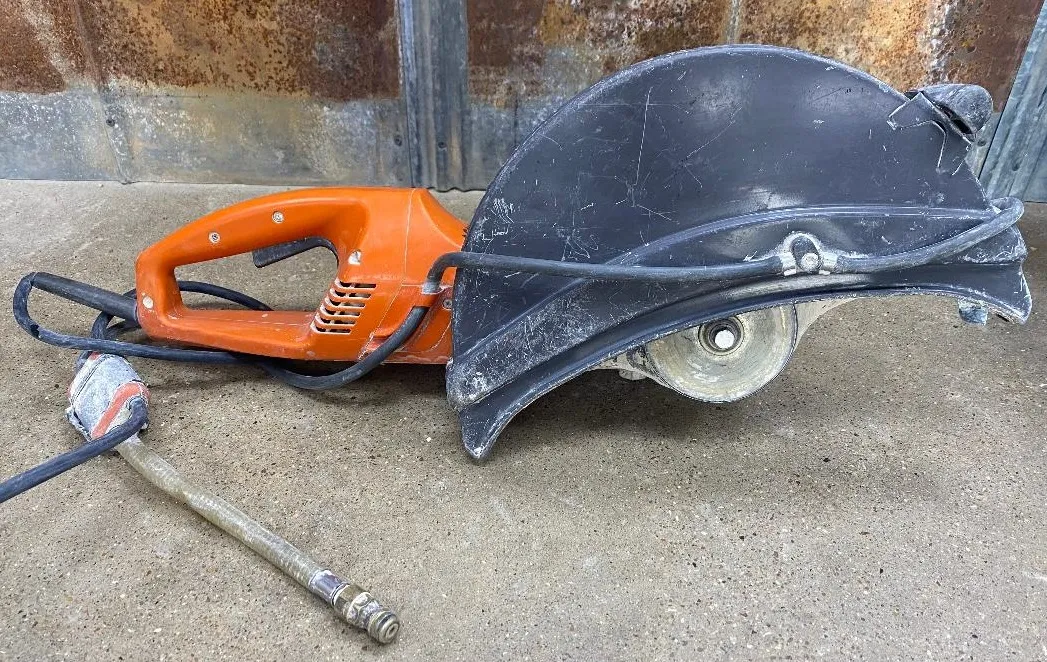
| Handheld Cut-Off Saw (Husqvarna) | 14″ | Corded Electric | Indoor slab trenching, zero-emission renovations |
| Handheld Cut-Off Saw | 14″ | Gasoline Engine | Exterior flatwork, rebar cuts, curb modifications |
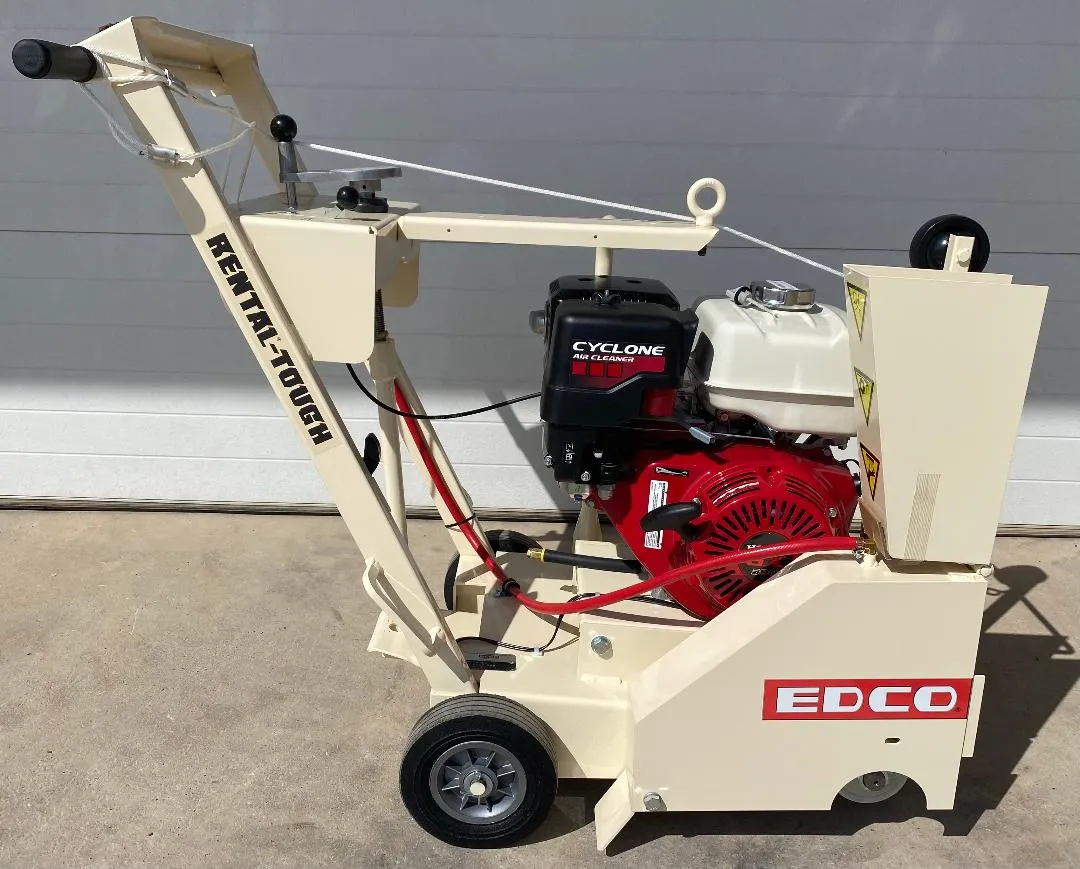
| Walk-Behind Floor Saw | 20″ | Gasoline Engine | Long expansion joints, street cuts, deep slab removal |
Reviewing the equipment in our concrete saw rentals inventory helps crews deploy the right cutting tool for the environment:
- The 12-inch Hilti battery handheld saw and the 14-inch Husqvarna electric saw eliminate exhaust fumes entirely, meeting strict indoor air quality requirements on interior remodels.
- The 14-inch gasoline handheld saw provides reliable cutting mobility across open-air jobsites, exterior footings, and precast panels.
- The 20-inch walk-behind gasoline concrete saw handles long control joints and deep slab demo up to eight inches deep while tracking straight with minimal physical strain.
Concrete Saw Rentals

Which Grinder and Surface Planer Solves Slab Imperfections?
Matching your tooling profile, down-pressure, and wheel speed to the required Concrete Surface Profile determines your success when stripping adhesives, taking down high joints, or smoothing bare slabs. Light sanders make no impression on high-strength concrete, while oversized scarifiers can pit surfaces beyond repair if misapplied.
Handheld Detail and Edge Grinders
Addressing tight corners, interior baseboards, and vertical concrete edges requires compact equipment. Handheld Hilti concrete surface grinders allow trades to clean up perimeter boundaries, level out form transitions, and polish tight spots that full-size floor units cannot reach.
Dual-Disc and Single-Disc Floor Grinders
When stripping carpet mastic, epoxy layers, or surface crust from medium commercial areas, the Edco dual-disc surface grinder balances stability with broad floor coverage. Its counter-rotating discs neutralize operator fatigue and keep the machine flat against the floor. For smaller residential garages or patios, a single-disc concrete surface grinder provides easy handling and fast profile preparation for new protective coatings.
Crete-Plane Scarifiers and Planers
When slabs develop curled control joints, rain damage, or high structural ridges, rotary grinding takes too much time. The concrete grinder Crete-Plane uses spinning carbide flails to plane down irregular concrete high spots quickly, restoring a true grade across uneven floors.
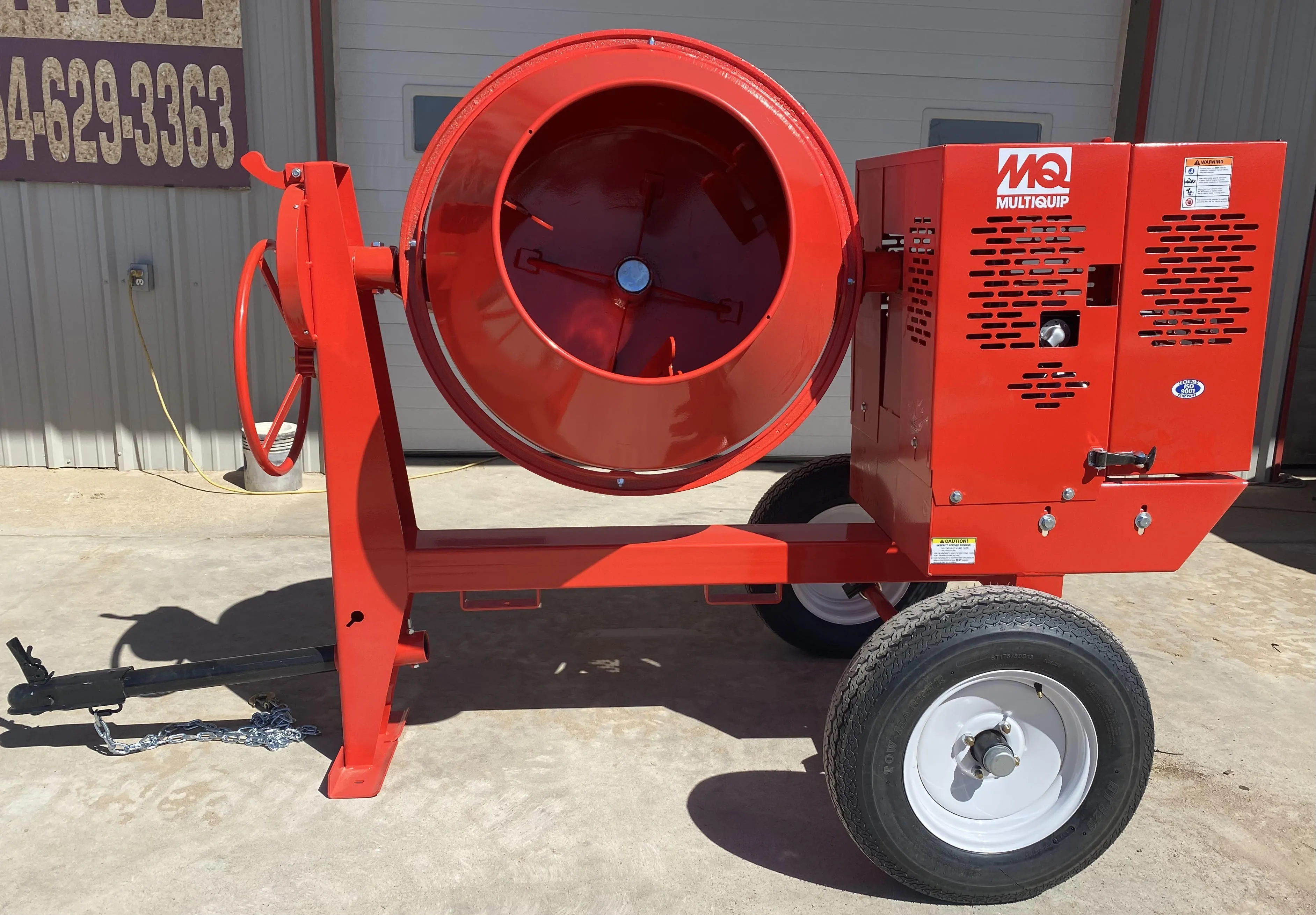
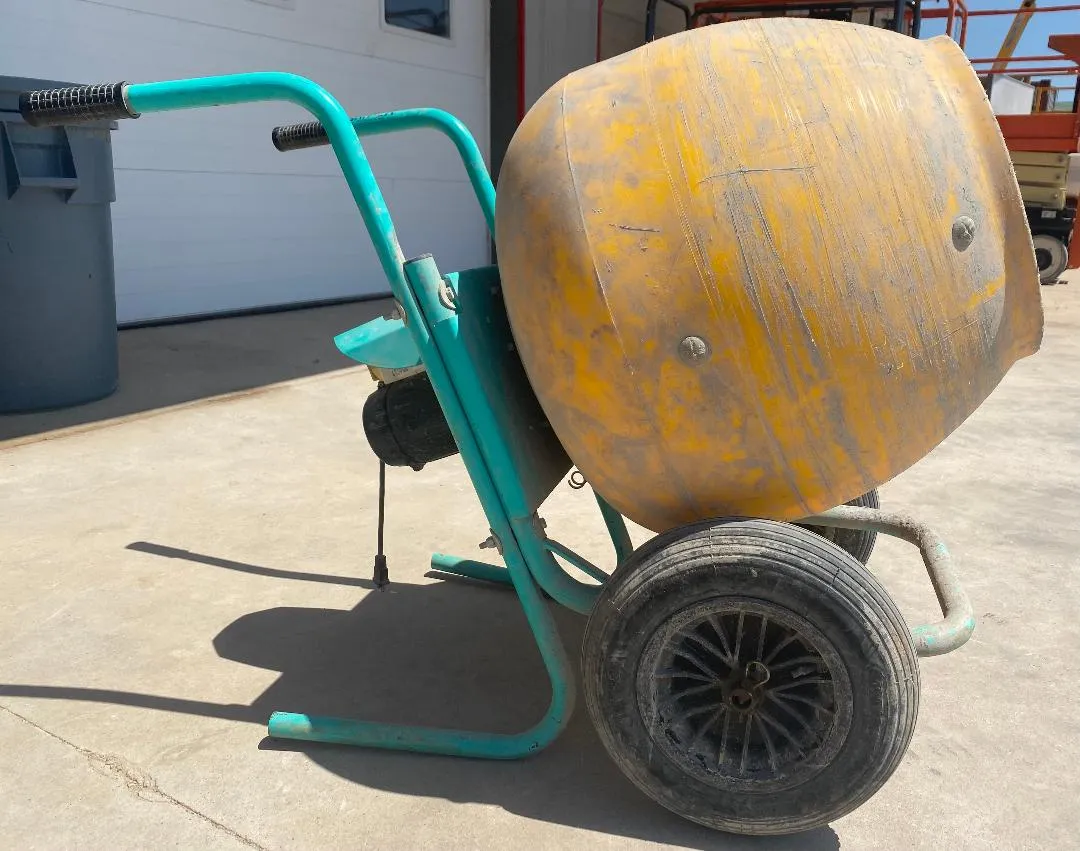
Concrete Mixer Rentals
How Does Professional Pouring and Consolidation Equipment Prevent Slab Failure?
Consistent aggregate mixing and thorough internal consolidation remove trapped air voids, stop aggregate honeycombing, and guarantee that cured concrete reaches its specified compressive strength. Skipping mechanical vibration often leaves unseen hollows around rebar, creating weak structural spots.
Batch Consistency and Mixing
Pouring small foundations, fence footings, or repair sections requires a uniform water-to-cement ratio throughout every batch. Sourcing a towable gasoline mixer for high-volume exterior projects or a compact electric mixer for small site batches through concrete mixer rentals ensures continuous, homogeneous mud without dry pockets.
Mechanical Spreading and Consolidation
Consolidation must begin as soon as the concrete enters the forms:
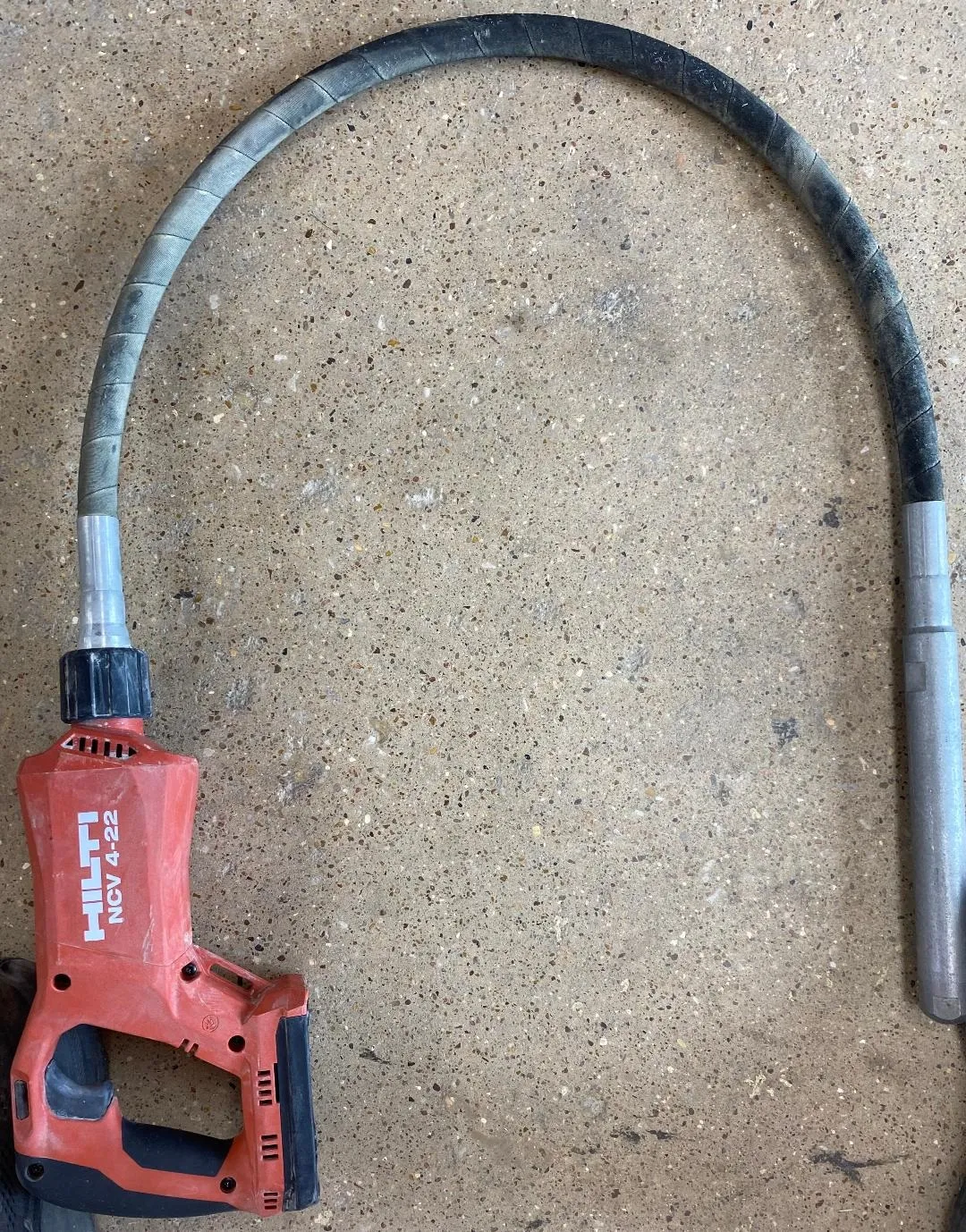
- Handheld battery-powered Hilti concrete vibrators quickly settle stiff slump mixes around rebar cages without needing generator cords dragged across wet surfaces.
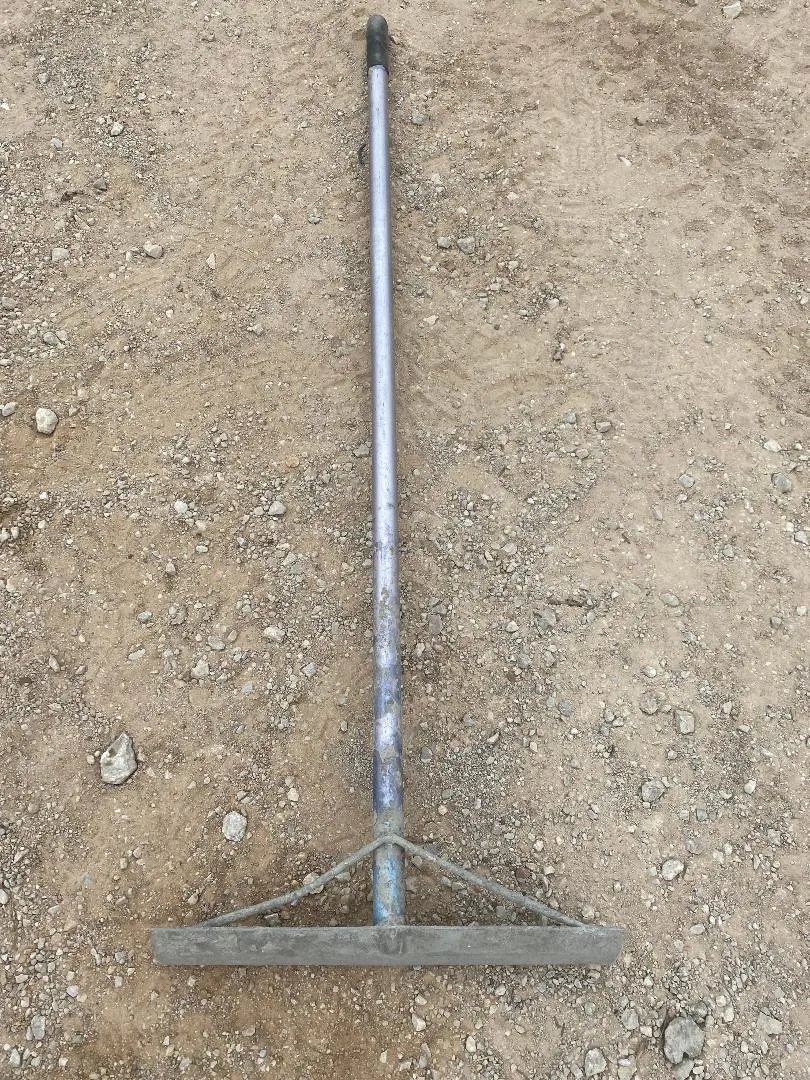
- Spreading heavy aggregate is handled efficiently using a concrete come-along, which pulls and places fresh mud without breaking standard shovel handles.
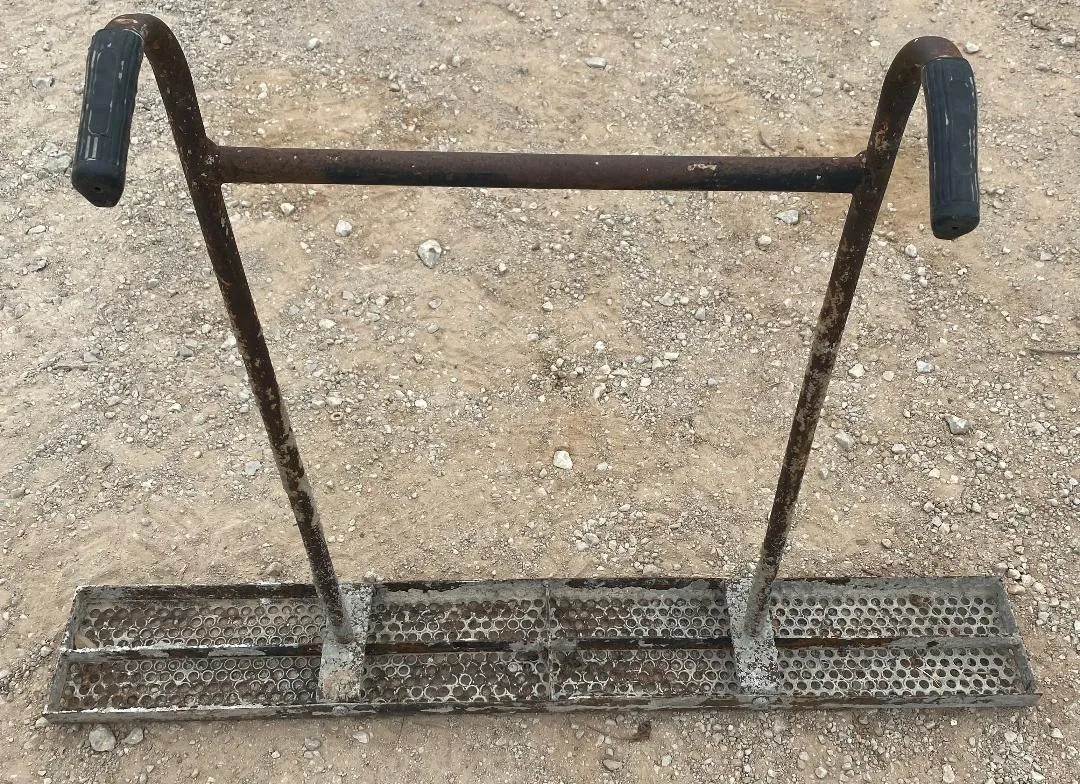
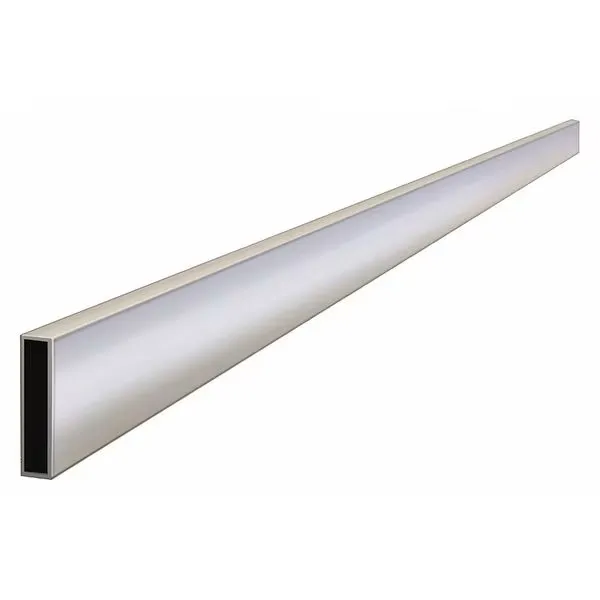
- Running a 16-foot concrete screed board levels the mud flat with the form tops.
- Using a concrete jitterbug pushes coarse aggregate down beneath the surface, raising a rich layer of cement paste to the top for the initial floating passes.
What Finishing Equipment Yields a Flat, Hardened Concrete Wear Surface?
Timing each float and trowel run as the slab sets up makes the difference between a weak, dusty floor and a dense, wear-resistant surface. Moving onto the slab too early traps rising bleed water and causes surface delamination, while waiting too long leaves the concrete too hard to smooth.
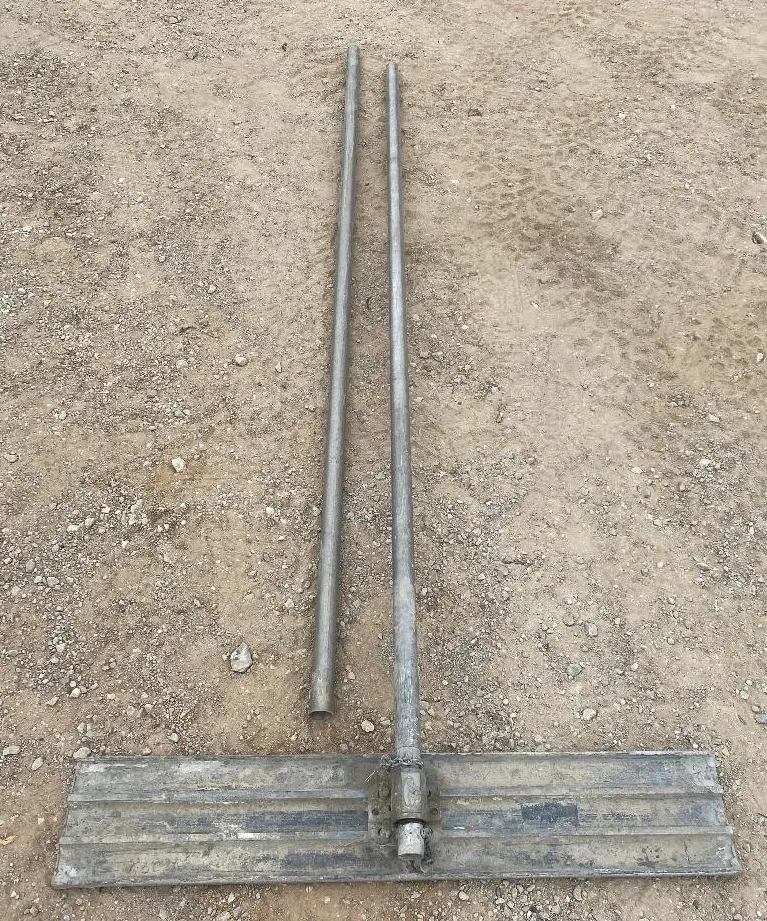
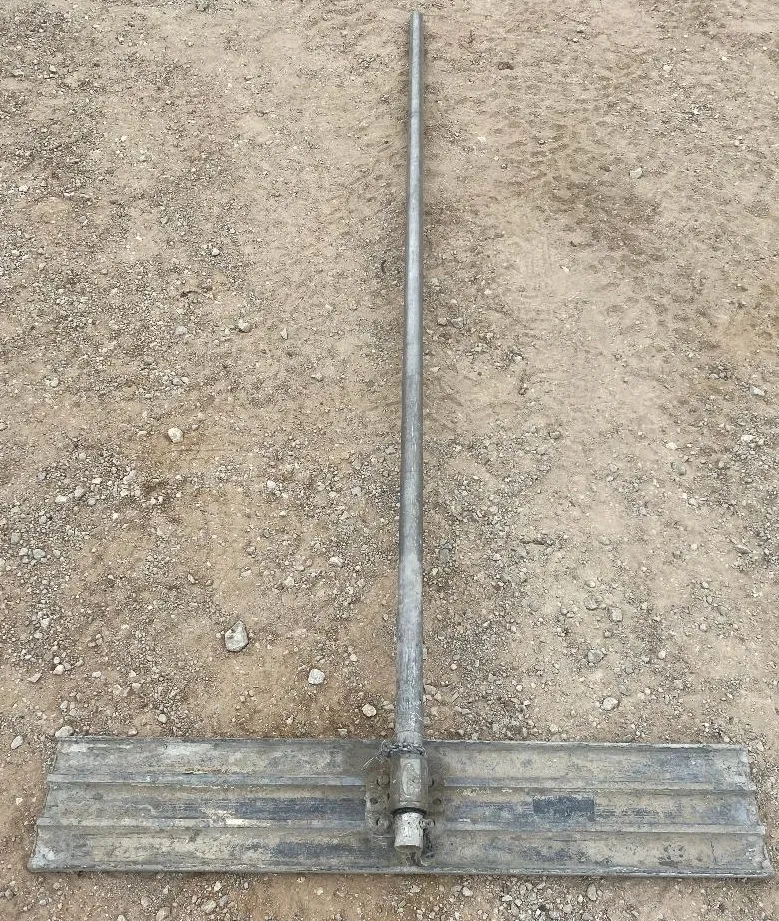
- Once the concrete is struck off with the screed board, run a wide magnesium bullfloat with extension handles across the surface to knock down high spots and fill remaining hollows.
- Allow bleed water to rise and evaporate completely from the slab surface before introducing heavier finishing equipment.
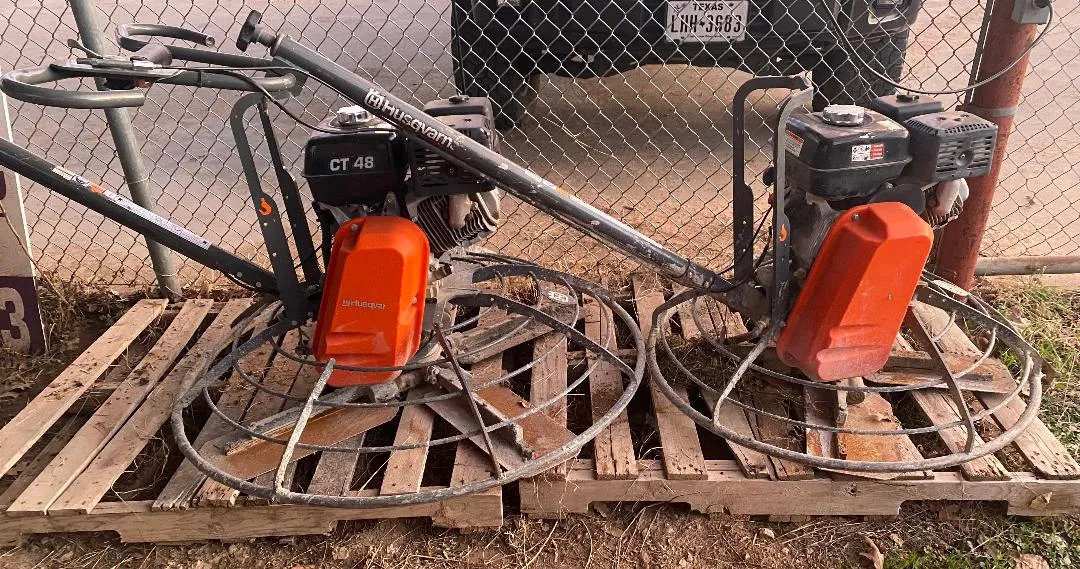
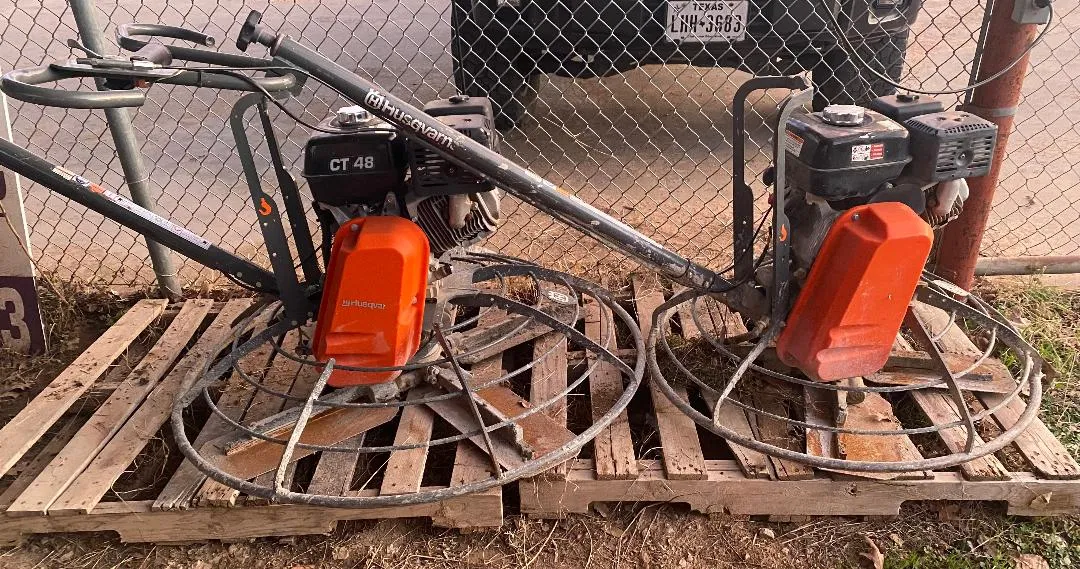
- Bring in a 36-inch walk-behind concrete power trowel for standard residential basements, driveways, and rooms with multiple posts or doorways.
- Deploy a 46-inch concrete power trowel on expansive warehouse floors and broad commercial slabs where extra blade sweep and machine weight are needed to seal and hard-trowel the finish.
You can equip your crew with all necessary placement and hand tools by visiting our general concrete tool rentals catalog.
General Concrete Tool Rentals
Frequently Asked Questions
What size diamond core drill bit should I select for plumbing and conduit sleeves?
Select a core bit diameter that is one-quarter to one-half inch larger than the outer pipe or conduit sleeve to allow sufficient space for structural grout or firestop sealant. Standard electrical conduit and supply runs typically require 2-inch to 4-inch core bits, while commercial waste lines, vents, and heavy conduit bundles rely on 5-inch, 6-inch, or 10-inch barrels.
What is the main benefit of using an electric or battery concrete saw indoors?
Battery and electric cut-off saws emit zero toxic exhaust fumes, preventing hazardous carbon monoxide buildup in enclosed basements or occupied buildings. These tools also run quieter than gasoline engines and start instantly with the pull of a trigger.
What is the practical difference between a single-disc and dual-disc floor grinder?
A dual-disc Edco surface grinder covers a wider work path and uses counter-rotating discs to balance operating torque, preventing the machine from pulling to one side or gouging the concrete. Single-disc units offer a more compact footprint that maneuvers easily through narrow doorways, utility closets, and residential patios.
When is a Crete-Plane scarifier preferred over a concrete surface grinder?
A Crete-Plane scarifier is preferred when you must plane down concrete curled joints, eliminate high ridges, or mill away heavy adhesives that clog diamond grinding stones. The scarifier’s impact flails fracture hardened high spots quickly, whereas rotary grinders are designed to abrade, smooth, and polish the surface paste.
Does Grandpaw’s Tool Shed deliver concrete equipment directly to North Central Texas jobsites?
Grandpaw’s Tool Shed delivers walk-behind concrete saws, towable mixers, floor grinders, and power trowels throughout Eastland, Abilene, Weatherford, and Breckenridge, typically servicing within a 50-mile radius. Rental options include a 4-hour minimum, 24-hour daily rates, weekly terms, and 4-week commercial billing cycles.
