
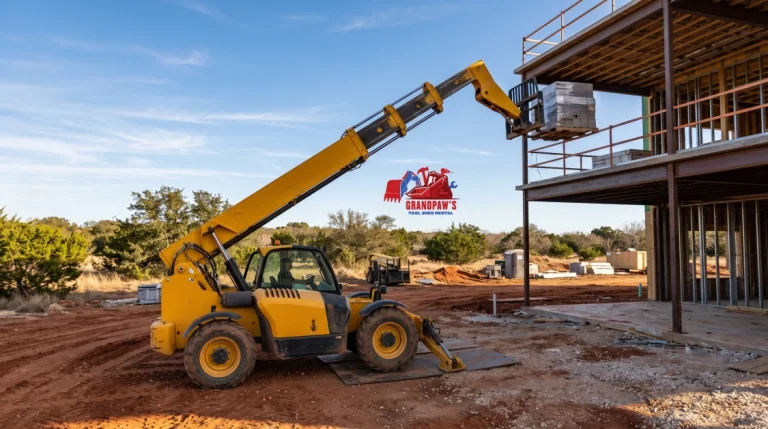
Safe material staging, heavy pallet movement, and elevated structural placement require lifting machinery matched precisely to jobsite surface conditions, load center limits, and vertical reach requirements. Using an indoor warehouse forklift on uneven caliche leads to rutting and tip-over risks, while utilizing an oversized telehandler inside a narrow staging bay wastes operating space and burns excessive fuel. Sourcing site-ready machines through forklift rentals enables commercial general contractors, rural builders, and industrial facility managers to cycle heavy materials efficiently without absorbing capital purchase costs, regular hydraulic maintenance, or fleet downtime.
Grandpaw’s Tool Shed equips jobsites throughout North Central Texas with proven lifting equipment, servicing projects across Eastland County, Abilene, Weatherford, and Breckenridge with reliable machinery and responsive local support.
When Should You Choose a Rough-Terrain Telehandler Over a Standard Forklift?
Telescopic handlers are built specifically for outdoor, rough-terrain environments where loads must be lifted up and forward across unpaved surfaces, muddy ground, or unfinished building perimeters. Standard industrial forklifts rely on fixed vertical masts that can only raise loads straight up, requiring flat, level surfaces directly adjacent to the staging footprint. Telehandlers combine the ground clearance and four-wheel drive of rough-terrain equipment with a hydraulic boom that places framing packages, masonry cubes, and mechanical units deep onto elevated decks or across foundation trenches.
| Forklift Model | Rated Maximum Lift Capacity | Power Source | Chassis Profile | Primary Jobsite Application |
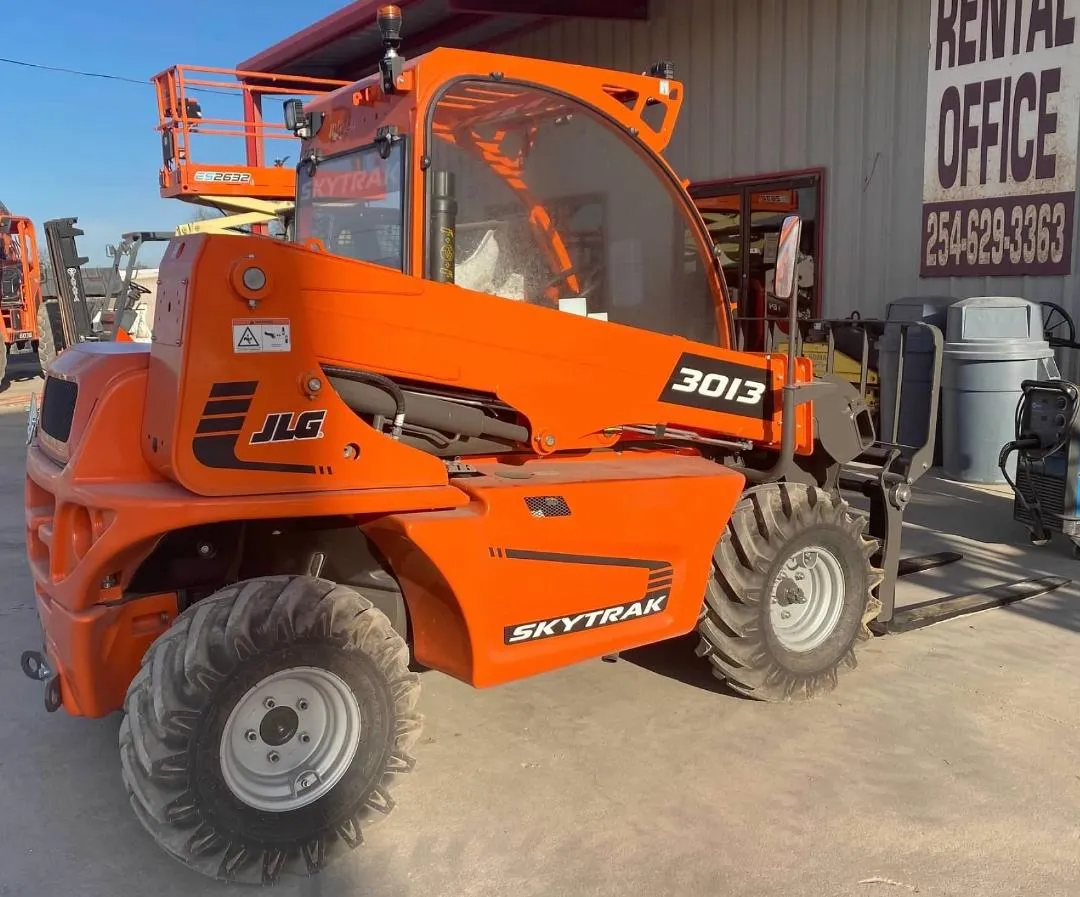
| JLG 3013 Telehandler | 3,000 lbs | Diesel Engine | Ultra-Compact Rough Terrain | Residential framing, parking garages, tight urban access |
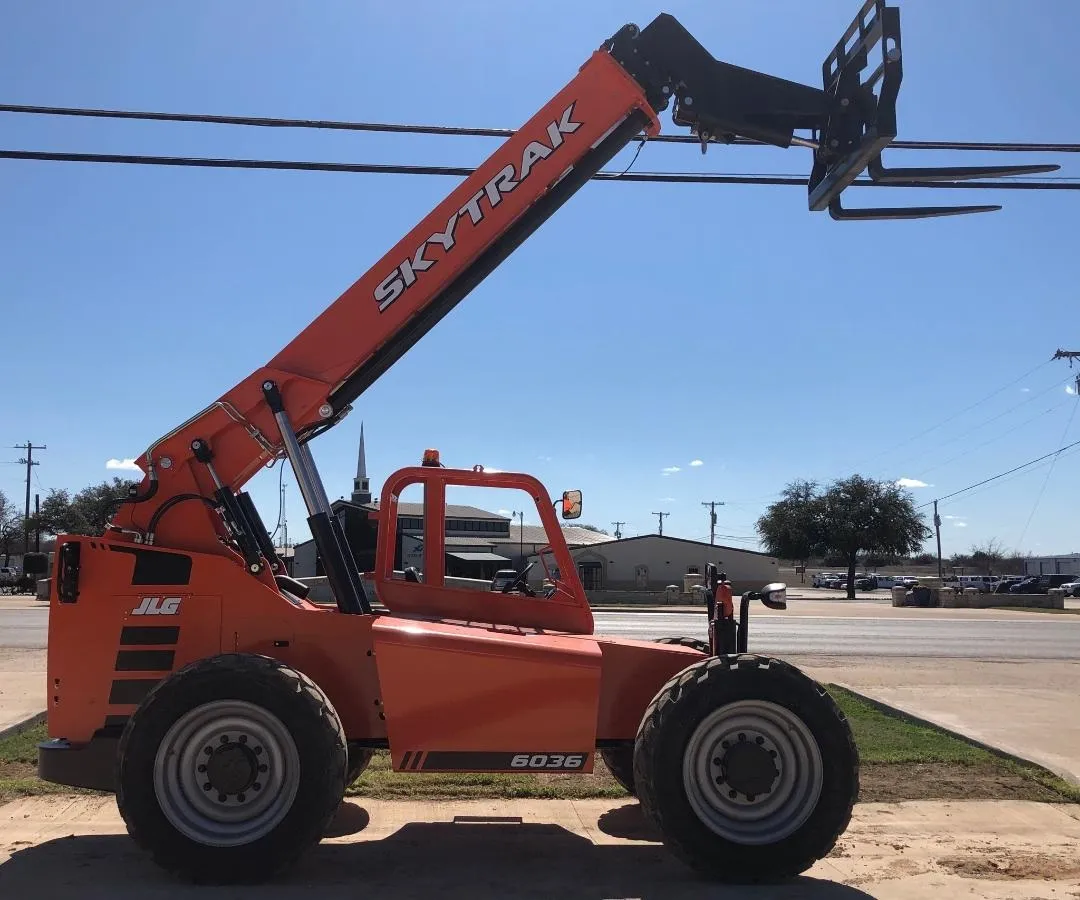
| 6K Telehandler | 6,000 lbs | Diesel Engine | Standard Rough Terrain | Two-story framing, commercial masonry, pallet staging |
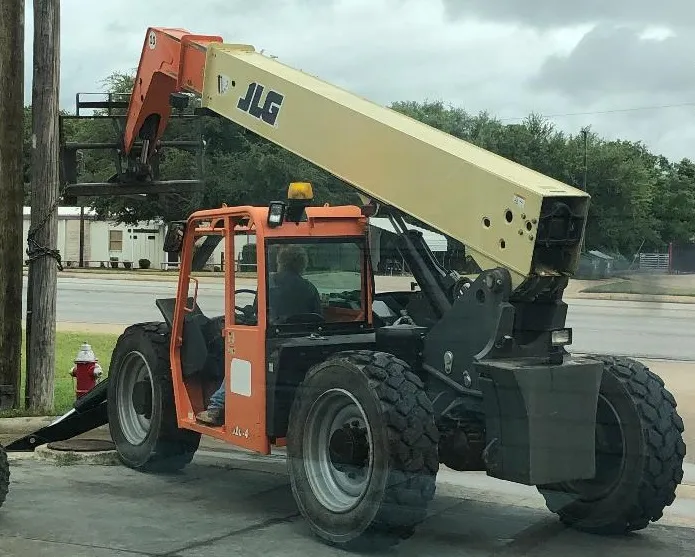
| 10K JLG Telehandler | 10,000 lbs | Diesel Engine | Heavy-Duty Rough Terrain | Structural steel erection, industrial pipe, bridge infrastructure |
| 5K Dual Fuel Forklift | 5,000 lbs | LPG / Gasoline | Cushion or Pneumatic Solid | Enclosed warehouses, manufacturing bays, paved yards |
Reviewing the lifting specifications in our eRental equipment catalog helps site supervisors match machine capacity to jobsite demands:
- The JLG 3013 compact telehandler delivers an agile rough-terrain profile that slips through low-clearance residential entries and tight parking garages where larger machines cannot maneuver.
- The 6K telehandler serves as the everyday workhorse on commercial building pads, staging lumber, drywall bundles, and roofing materials up to standard two-story elevations.
- The 10K JLG telehandler provides the heavy drawbar pull, counterweight mass, and forward reach needed to place precast panels, heavy structural steel, and commercial HVAC units across unimproved site boundaries.
Forklift Rentals
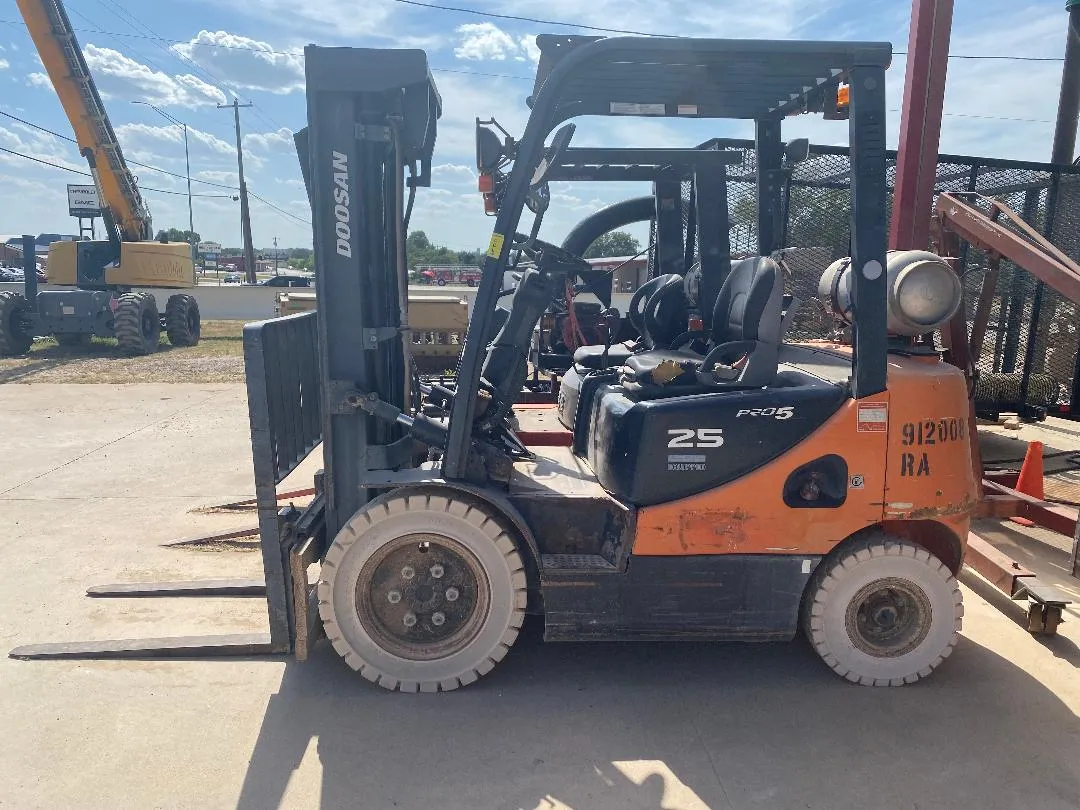
How Does a Dual-Fuel Warehouse Forklift Optimize Indoor Material Staging?
A 5K dual-fuel warehouse forklift provides the quiet operation, low exhaust emissions, and tight turning radius required to move palleted freight safely inside enclosed distribution centers, assembly plants, and retail storage yards. Running equipment powered by standard gasoline or unscrubbed diesel inside poorly ventilated buildings causes rapid accumulation of harmful carbon monoxide, creating immediate health violations and operator hazards.
The 5K dual-fuel forklift operates seamlessly on clean-burning liquid propane gas (LPG) indoors and switches to gasoline for outdoor dock runs. Its hydraulic mast delivers smooth vertical lift and precision mast tilt, allowing operators to rack pallets into multi-tiered warehouse shelving systems. Compact front wheelbases and responsive rear-pivot steering let drivers spin within tight aisle profiles to unload freight trailers and position crated machinery without scuffing walls or striking inventory racks.
Which Specialized Forklift Attachments Expand Material Handling Capabilities?
Certified forklift attachments convert a standard lifting carriage into a multi-use utility crane, an elevated personnel station, or a wide-load material transporter without the need for auxiliary support vehicles. Installing factory-engineered attachments preserves the structural integrity of your forks while complying with applicable jobsite safety regulations.
Jib Booms and Suspension Hooks
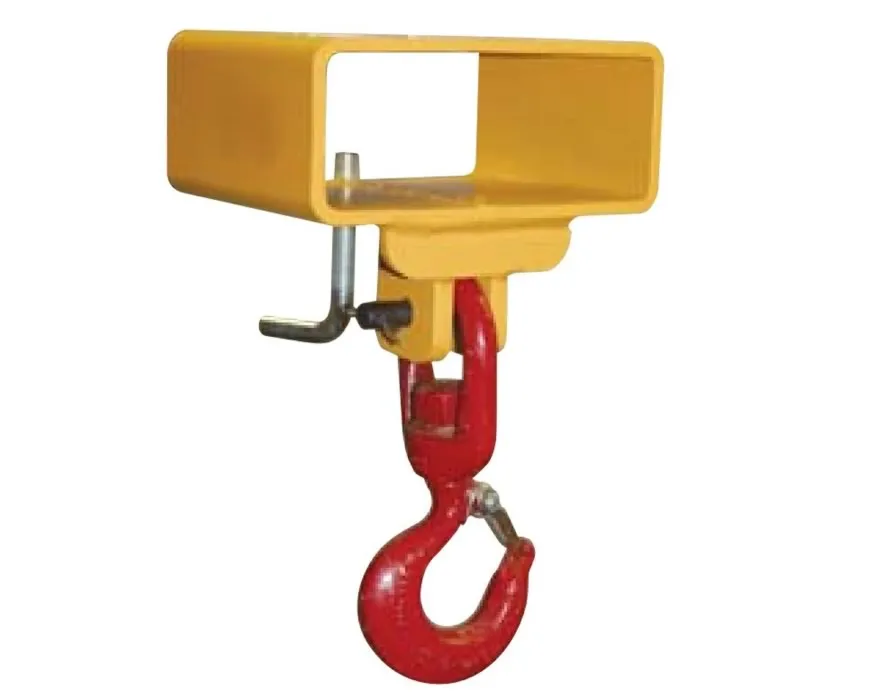
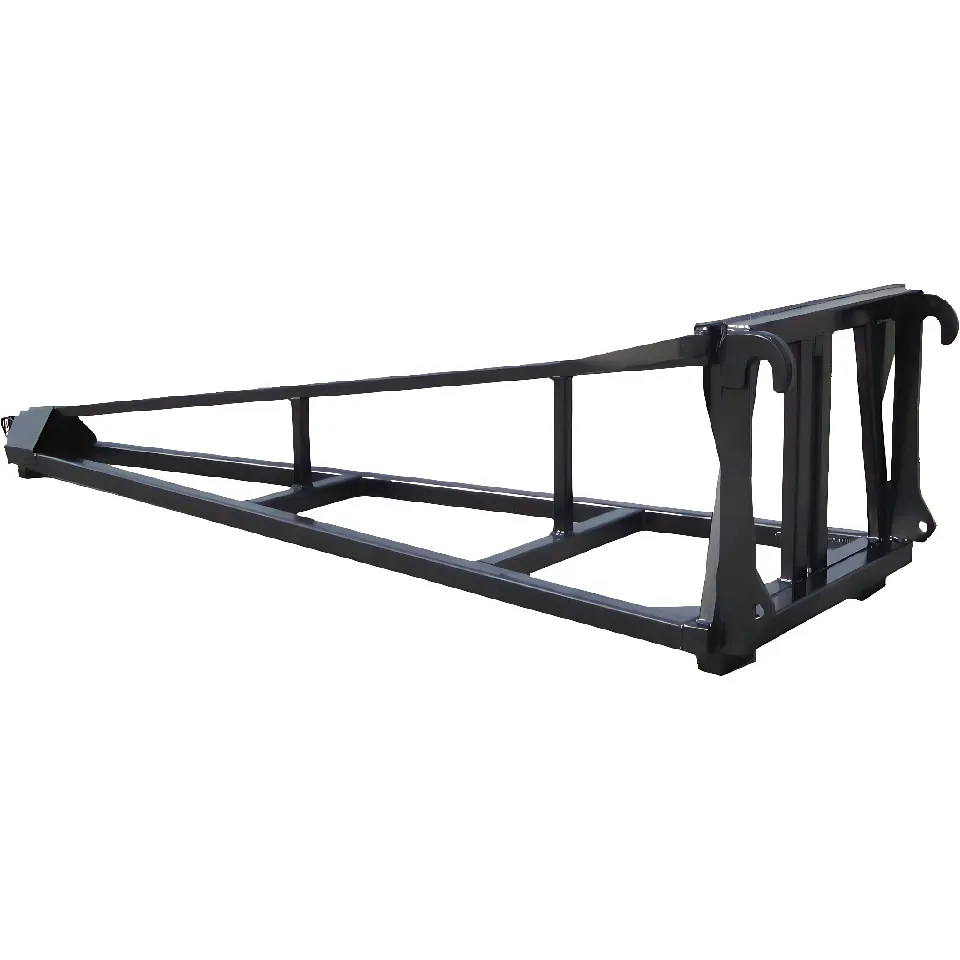
Rigging suspended components like heavy pumps, rebar cages, and steel joists from basic pallet fork tines with makeshift chains is dangerous and damages fork heels. Installing a dedicated 14-foot jib extension on a JLG telehandler creates an extended crane boom that reaches past scaffolding and roof parapets. For heavy structural lifts closer to the carriage, a certified forklift swivel hook locks onto the tines to provide a secure, 360-degree rotating pick point for slings and wire rope chokers.
Wide Carriage Forks and Elevated Work Platforms
Handling broad or oversized inventory demands stability across the entire base of the load:
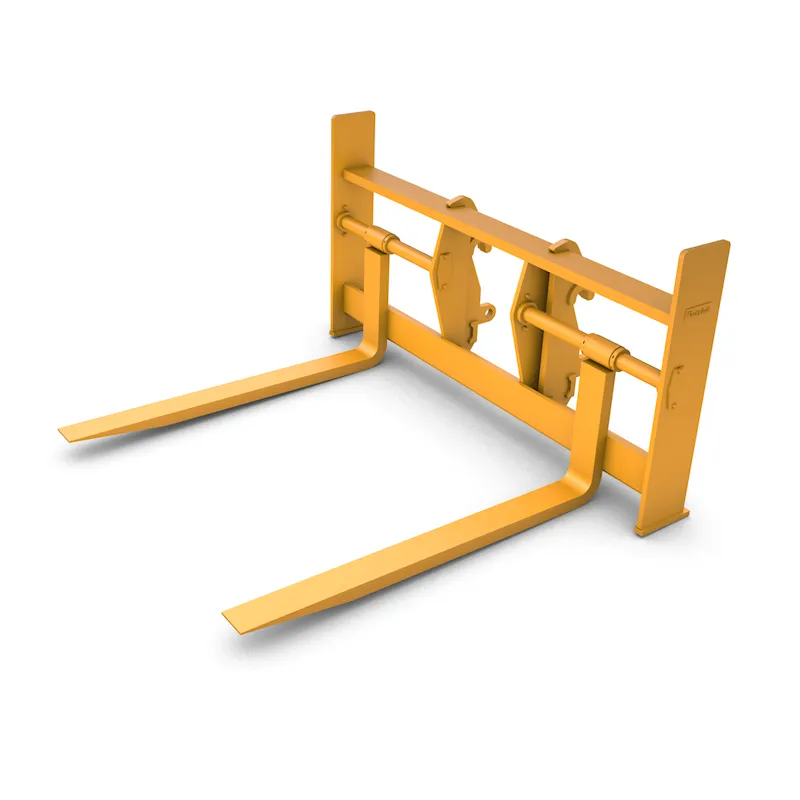
- An 8-foot wide-carriage fork assembly supports extra-wide lumber bunks, long trusses, and wide steel sheets, preventing load sagging, bowing, and hazardous transit tip-offs.
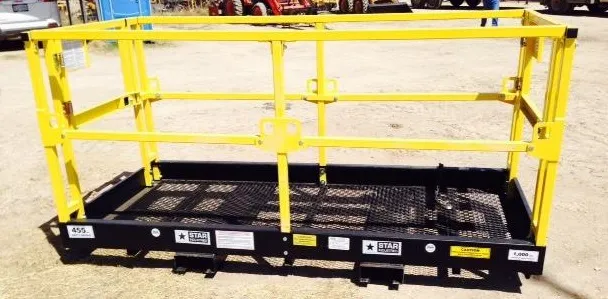
- A 4×8 forklift man basket provides a stable, fully railed aerial work platform equipped with harness anchor points and high mesh kickplates, allowing mechanical, electrical, and maintenance crews to conduct overhead repairs safely.
You can equip your rented telehandler or rough-terrain machine for specialized lifts by visiting our forklift attachment rentals inventory.
Forklift Attachment Rentals
How Can Contractors Balance Renting Temporary Fleets Versus Purchasing Used Equipment?
Renting material handling machines preserves working capital for dynamic project demands, while buying certified machinery provides long-term cost benefits for permanent facilities with high, continuous daily machine hours. Relying solely on short-term rentals for static year-round plant handling builds recurring expenses, yet purchasing specialized telehandlers for intermittent project phases ties up capital that could fund core trade operations.
Many North Central Texas operators rely on a hybrid fleet strategy. Contractors maintain core daily utility machines while renting high-capacity telehandlers or extra warehouse forklifts during peak construction and seasonal surges. When expanding your permanent fleet makes financial sense, reviewing inspected machinery in our used equipment sales inventory gives you access to work-ready construction and farm equipment that has been maintained by experienced technicians.
What Key Inspection Points Guarantee Safe Forklift and Telehandler Operations?
Completing a systematic pre-shift mechanical inspection prevents hydraulic failures, steering loss, and costly project downtime before lifting operations begin. Equipment operators must walk around the machine to verify structural, hydraulic, and safety components prior to turning the key each morning.
- Hydraulic Lines and Cylinders: Check all boom extension cylinders, tilt assemblies, and carriage hoses for weeping seals, hydraulic leaks, or hose cracking.
- Tire Pressures and Undercarriage Integrity: Inspect rough-terrain foam-filled or pneumatic tires for deep sidewall gouges, embedded metal, missing lug nuts, and uneven tread wear that could alter machine leveling.
- Safety Interlocks and Alarms: Verify that the backup alarm, horn, travel beacon, seat belt interlock, and emergency shut-off switches function correctly.
- Load Chart Verification: Cross-reference the weight of the staged load against the manufacturer load chart mounted in the cab, noting boom angle and forward reach restrictions before scoping out over obstacles.
To learn more about jobsite safety standards, equipment management tips, and seasonal operation practices, explore the articles published on the Grandpaw’s Tool Shed industry blog.
Frequently Asked Questions
What delivery options are available for telehandlers and warehouse forklifts?
Grandpaw’s Tool Shed provides prompt jobsite delivery for warehouse forklifts, telehandlers, and boom attachments throughout Eastland, Abilene, Weatherford, and Breckenridge, typically servicing within a 50-mile operating radius. Delivery fees are calculated based on haul distance and transport trailer sizing.
What is the primary difference between a telehandler and an industrial warehouse forklift?
A telehandler features a forward-reaching telescopic boom mounted on a heavy-duty, four-wheel-drive rough-terrain chassis, making it suitable for unpaved ground, mud, and multi-story building placement. An industrial warehouse forklift utilizes a vertical mast with smaller solid or cushion tires designed strictly for smooth, flat, hard-paved concrete slabs and indoor warehouse aisles.
Can a forklift man basket be used on any telehandler model?
A forklift man basket must be securely pinned to an approved carriage and used only on telehandlers with compatible lifting capacities and stable hydraulic controls. Operators inside the 4×8 platform must wear proper personal fall arrest harnesses tied off to engineered anchor points, and the forklift operator must remain at the controls throughout the lift.
How do rental duration terms work for material handling equipment?
Rental rates at Grandpaw’s Tool Shed are structured around a 4-hour minimum, a 24-hour daily rate, a 7-day weekly rate, and a 28-day monthly billing cycle. Rates start when you take possession of the equipment, with discounted terms available for extended commercial projects.
What happens if a rented telehandler or forklift malfunctions on site?
If a rental machine experiences a mechanical failure during standard operation, contact our team immediately. We will promptly dispatch field service personnel for on-site repairs or provide a quick equipment exchange to minimize project delays at no added expense, provided the issue was not caused by equipment misuse.
